
Trademark Class 21 – Kitchenware & Household Utensils in India
Trademark Class 21 in India protects brands dealing in household utensils, cookware, containers, glassware, and non-electric kitchen tools. If you manufacture or sell cooking pots, steel utensils, plastic containers, ceramic crockery, or cleaning brushes, registering under Class 21 trademark registration gives your brand exclusive legal protection across India — preventing imitation and building lasting consumer trust.

What is Trademark Class 21?
Trademark Class 21 is an internationally recognised product category under the Nice Classification (NCL) system — the global standard for classifying goods and services in trademark applications. In India, this system is administered by the Controller General of Patents, Designs and Trade Marks (CGPDTM).
Class 21 specifically covers household utensils and containers, kitchenware, cooking equipment (non-electric), glassware, porcelain and earthenware, as well as cleaning tools such as brushes and sponges. It is the definitive class for any brand whose products are used in domestic kitchens or households for cooking, storage, or cleaning purposes.
📌 Class 21 is the go-to class for utensil brands, cookware manufacturers, container companies, glassware producers, and household cleaning product brands in India.
- Covers household utensils made of steel, glass, plastic and ceramic
- Includes non-electric cookware like pots, pans and pressure cookers
- Protects water bottles, storage jars and food containers
- Encompasses glassware, crockery and porcelain tableware
- Applies to cleaning brushes, sponges and household mops
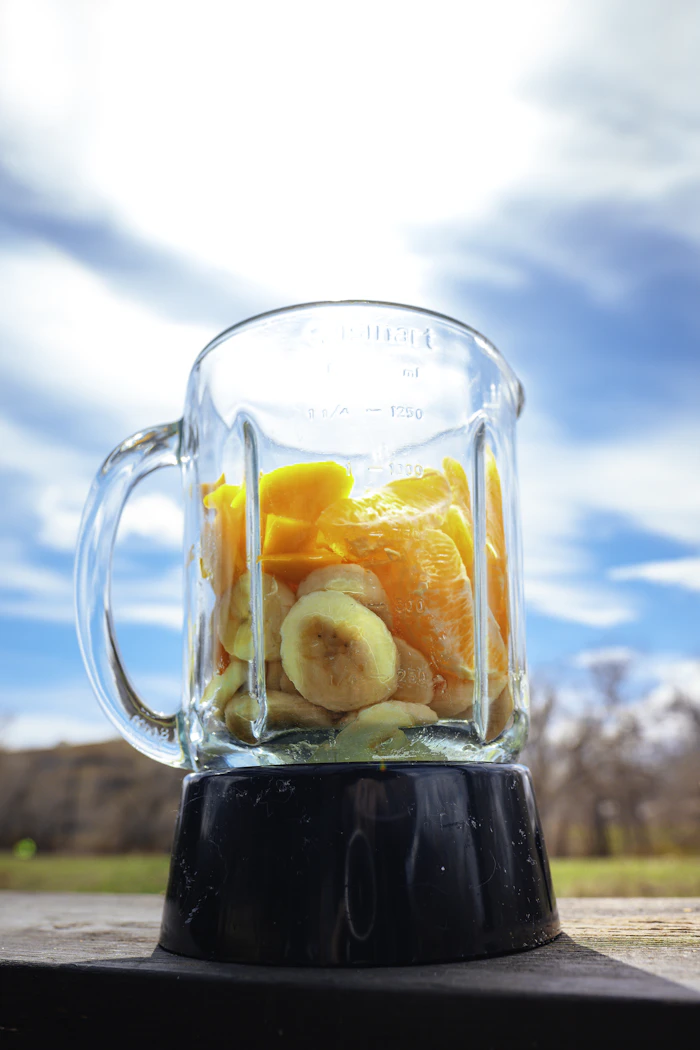
Complete List of Goods Covered Under Trademark Class 21
If your product falls in any of these categories, your brand should be registered under Trademark Class 21 in India. Here is the complete coverage list as per CGPDTM guidelines:
Cookware & Pots
- Cooking pots and saucepans
- Non-electric pressure cookers
- Frying pans and woks
- Kadai and tawa
- Baking trays and moulds
- Casserole dishes
Kitchen Utensils & Tools
- Ladles and spatulas
- Slotted spoons and tongs
- Mixing bowls
- Colanders and strainers
- Rolling pins and mashers
- Graters and peelers
Glassware & Crockery
- Drinking glasses and tumblers
- Glass jugs and carafes
- Ceramic plates and bowls
- Porcelain mugs and cups
- Earthenware containers
- Decorative glass items
Containers & Storage
- Plastic food containers
- Water bottles (non-electric)
- Storage jars and canisters
- Lunch boxes and tiffin boxes
- Stainless steel containers
- Thermos flasks (non-electric)
Cleaning Tools
- Kitchen cleaning brushes
- Dish scrubbers and sponges
- Brooms and mops
- Toilet brushes
- Window-cleaning squeegees
- Bottle brushes
Tableware & Serveware
- Plates, bowls and platters
- Serving spoons and salad tongs
- Casserole serving dishes
- Trivets and pot stands
- Napkin holders
- Steel thali sets
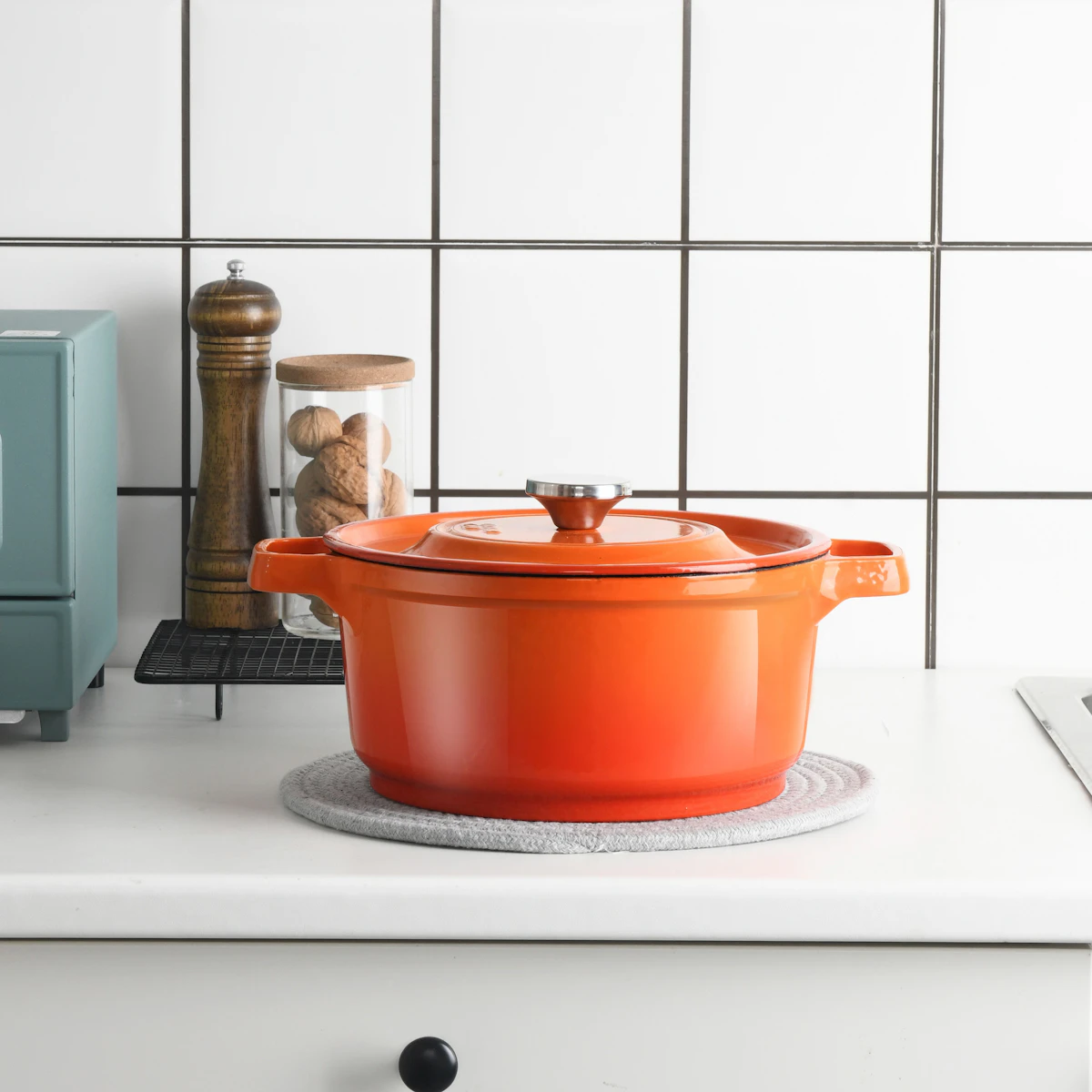
What is NOT Included in Trademark Class 21?
Filing in the wrong class is a common and costly mistake. These product categories are excluded from Class 21 and must be registered under their correct trademark class in India:
Electric Kitchen Appliances
Mixers, electric kettles, microwaves, induction cooktops, electric pressure cookers and all electrically powered cooking or heating devices are not Class 21 goods.
→ See Class 11Cutlery & Kitchen Knives
Kitchen knives, forks, spoons (as cutlery), scissors and blade-based tools are classified as cutlery and edged instruments, not household utensils.
→ See Class 8Food & Beverage Products
The food or drink sold in containers is classified separately. Only the containers themselves fall under Class 21 — not the food products packaged within them.
→ See Class 29 / 30Cleaning Chemicals & Detergents
Dishwashing liquids, surface cleaners, sanitisers and other cleaning chemical formulations are classified under a different category for chemical and cleaning preparations.
→ See Class 3💡 Pro Tip: A brand selling both steel containers (Class 21) and electric kitchen appliances (Class 11) must file in both classes for complete protection. Our trademark experts will map the right classes for your product portfolio — get a free consultation.
Who Should Register Under Trademark Class 21?
Any business or entrepreneur whose brand name or logo is associated with kitchenware, utensils, containers, or cleaning products needs a Class 21 trademark registration in India. Here are the business types that should act without delay:
Utensil Manufacturers
Cookware Brands
Plastic Container Brands
Glassware Companies
D2C Kitchen Startups
Household Product Sellers
Crockery & Ceramic Brands
Cleaning Tool Brands
Documents Required for Class 21 Trademark Registration
The documents needed for your kitchenware trademark registration in India vary by applicant type. Have these ready before you begin:
Individual / Proprietor
- PAN Card (mandatory identifier)
- Aadhaar Card or Passport
- Brand name / Logo file (JPEG/PNG)
- Business address proof
- User Affidavit (if claiming prior brand use)
- Signed Power of Attorney (Form TM-A)
MSME / Partnership Firm
- Udyam Registration Certificate
- Partnership Deed (if applicable)
- PAN Card of the firm
- Brand / Logo in high resolution
- User Affidavit (if prior use is claimed)
- Authorisation letter from all partners
Private Limited / LLP
- Certificate of Incorporation
- Company PAN Card
- MOA & AOA of the company
- Board Resolution authorising TM filing
- Brand / Logo artwork (high-res)
- Duly signed Power of Attorney
Trademark Registration Process for Class 21 in India
India's trademark registration follows a well-defined process governed by the Trade Marks Act, 1999. Here is every step from search to certificate:
Trademark Search
Verify brand availability on the IP India portal to avoid conflicts with existing marks.
Application Filing
File Form TM-A online with class, applicant details and logo. Receive instant acknowledgement.
Examination
A Trademark Examiner reviews the application. An Examination Report is issued within 30–90 days.
Journal Publication
The mark is published in the Trademark Journal, opening a 4-month public opposition window.
Opposition Period
Third parties may file opposition within 4 months. Most kitchenware marks pass unopposed.
Registration
Registration Certificate issued. Valid for 10 years, renewable indefinitely on payment of fees.

⏱️ Timeline: Full registration takes 18–36 months. However, you may legally use the ™ symbol from Day 1 of filing. Your trademark priority date is your application date — not your registration date.
Class 21 Trademark Registration Cost in India
All government trademark fees are officially fixed by CGPDTM. Here is a clear, up-to-date breakdown of the Class 21 trademark registration cost:
- Individual applicants & proprietors
- Startups & MSME registered entities
- Single class (Class 21) filing
- Online e-filing mode only
- TM-A Form submission included
- Private Limited Companies
- LLPs and partnerships
- Listed companies & foreign entities
- Online or physical counter filing
- Priority examination available
- Trademark search & availability check
- Application drafting & e-filing
- Examination objection response
- Opposition defence (if required)
- Certificate follow-up & delivery
Frequently Asked Questions – Trademark Class 21 India
Everything you need to know about kitchenware trademark registration in India under Class 21 — answered by our trademark experts:

Stop Competitors From Copying
Your Kitchenware Brand
Every day without trademark registration is a day your brand name, logo, and goodwill remain unprotected. Secure your Class 21 trademark today and build a brand India trusts.